
 <外部リンク>
 <外部リンク>
- Top
-
What is the "Sado Island Gold Mines"?
- What is the "Sado Island Gold Mines"?
- Nishimikawa Placer Gold Mine
- Tsurushi Silver Mine
- Aikawa Gold and Silver Mine
- Traditional Unmechanized Mining Technologies
- A Series of Production Processes from Ore Mining to Koban Gold Coin Minting
- Gold Production System under the Strategic Management by the Tokugawa Shogunate -Transition of Settlement Structure-
- Culture Nurtured in the Mining Community, Life Centered on Mining:
-
What is World Heritage?
- Preservation and Utilization Network
Main content
Page number:0807132
Update date:2026年9月25日更新
World Heritage sites are irreplaceable treasures created by the formation of the earth and history of mankind, passed down from the past to the present, and to be passed on to our future generations. UNESCO adopted the Convention Concerning the Protection of the World Cultural and Natural Heritage (commonly known as the World Heritage Convention) at the 17th UNESCO General Assembly in 1972 as an international treaty to establish an international cooperative framework for the protection and conservation of the World Heritage as the "common heritage of mankind." (*Taken from the UNESCO website)
As of August 2026, there are 1,273 World Heritage Sites (991 Cultural Heritage Sites, 240 Natural Heritage Sites, and 42 Mixed Heritage Sites), with 196 State Parties to the World Heritage Convention.
Types of World Heritage Sites
There are three types of World Heritage Sites.
Cultural Heritage Sites
Monuments, buildings, ruins, cultural landscapes, etc., with Outstanding Universal Value
Examples: The Great Wall of China, the Cologne Cathedral in Germany, etc.
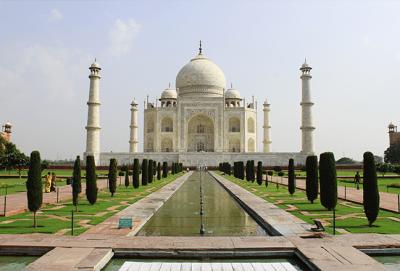
Taj Mahal (India)
Natural Heritage Sites
Landforms and geology, ecosystems, and habitats of endangered animals and plants, etc., with Outstanding Universal Value
Examples: Kilimanjaro National Park in Tanzania, the Great Barrier Reef in Australia, etc.
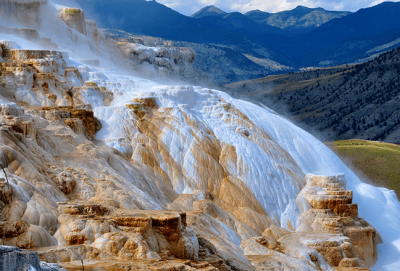
Yellowstone National Park (USA)
Mixed Heritage Sites
Sites combining the values of both cultural and natural heritage
Examples: Meteora in Greece, Tikal National Park in Guatemala, etc.
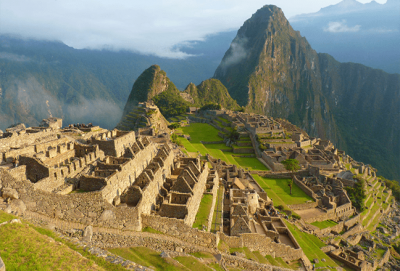
Machu Picchu (Peru)

 <外部リンク>
 <外部リンク>
 <外部リンク>
 <外部リンク>
 <外部リンク>
 <外部リンク>
 <外部リンク>

4-1 Shinko-cho, Chuo-ku, Niigata 950-8570
Tel+81-25-280-5726
Copyright © Niigata Prefectural Government. All Rights Reserved.