Main content
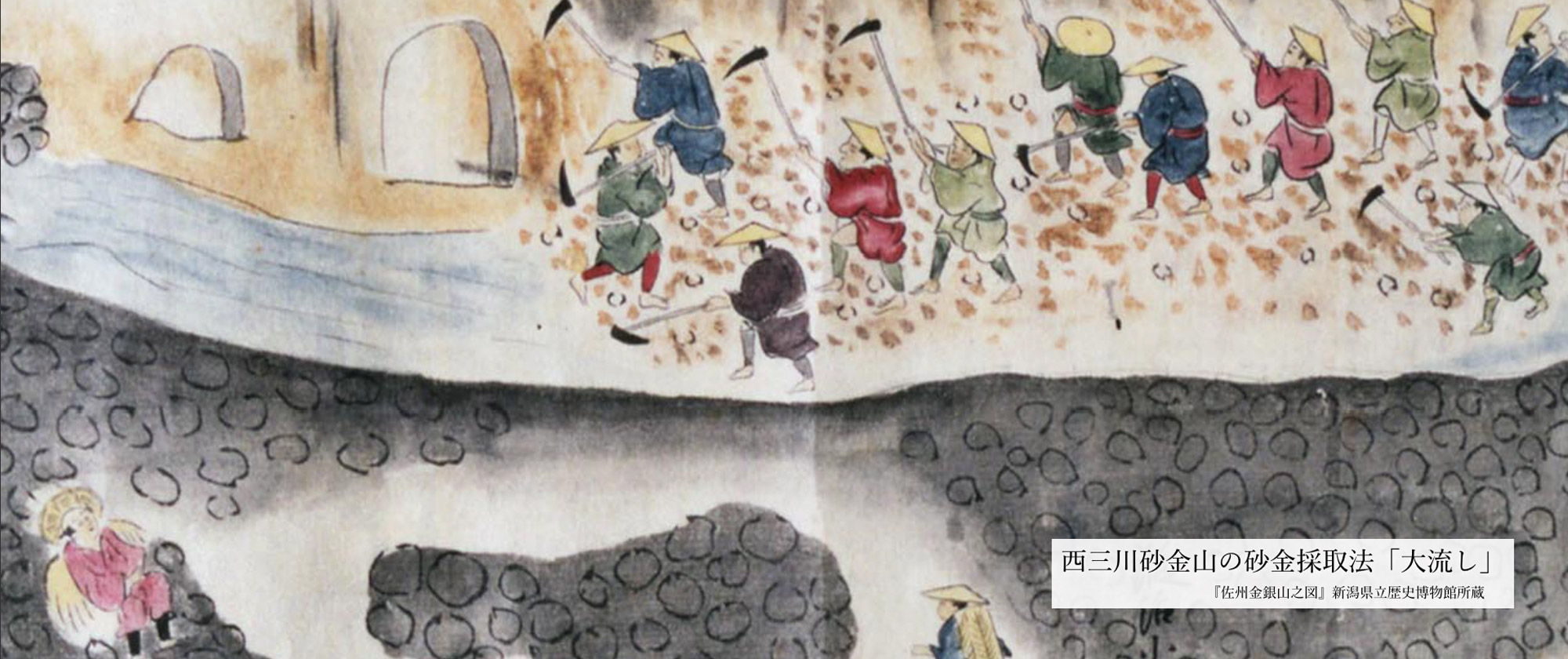
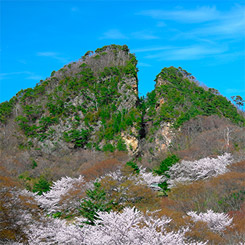
Blessed with nature where crested ibis soar in the sky, Sado Island boasted abundant mineral resources. From the 17th to the middle of the 19th century, mines were developed at full scale, making it widely known as the gold-producing island.
The “Sado Island Gold Mines” was valued as an exceptional example in the Asian context of the continuity of advanced manual mining and smelting technology in a period when mechanization was being introduced elsewhere, and it was inscribed as a UNESCO World Cultural Heritage Site on July 27, 2024.
 <外部リンク>
What is World Heritage Inscription?
The “Sado Island Gold Mines” is the 26th World Heritage Site in Japan, receiving its inscription on July 27, 2024.
© Niigata Prefecture, Sado City, BSN

Visiting Lectures and Schools
Prefectural officials visit school classes and study groups organized by various organizations to explain the history and attractiveness of the Sado Gold and Silver Mines, points to consider when visiting the site, general information on World Heritage sites, and other information in an easy-to-understand manner.

Niigata Prefecture World Heritage Council
The Promotion Council for the Inscription of the Sado Gold and Silver Mines as a World Heritage Site was established to develop a prefectural movement with joint participation from public and private sectors with the hope of quickly achieving World Cultural Heritage inscription for the Sado Gold and Silver Mines and passing on their value to future generations.

 <外部リンク>
 <外部リンク>
 <外部リンク>
 <外部リンク>
 <外部リンク>